

I'll say the unpopular thing: most content marketing tools get chosen for the wrong reason. Teams pick the AI writer that produces the flashiest draft. Then they skip the keyword research that would've told them if anyone's even searching for the topic
I think that's a mistake. I've watched it play out too many times to call it bad luck. A mediocre draft built on sharp research will beat a polished draft built on a guess. Every single time.
So I'm not ranking content marketing tools by feature count. I'm walking through the four stages content moves through: research, creation, distribution, and analytics. At each one, I'll tell you straight which tools earn their spot. And which ones just give you another dashboard to check.
Research & Strategy
Most published content fails before the first sentence gets typed, the topic was never validated and just assumed.
These tools replace that assumption with actual search behavior: what people are asking, what's already ranking, what's spreading right now. Skip this step and every later phase inherits the same blind guess.
1. Semrush
Most SEO tools still measure your visibility purely in Google's ten blue links.
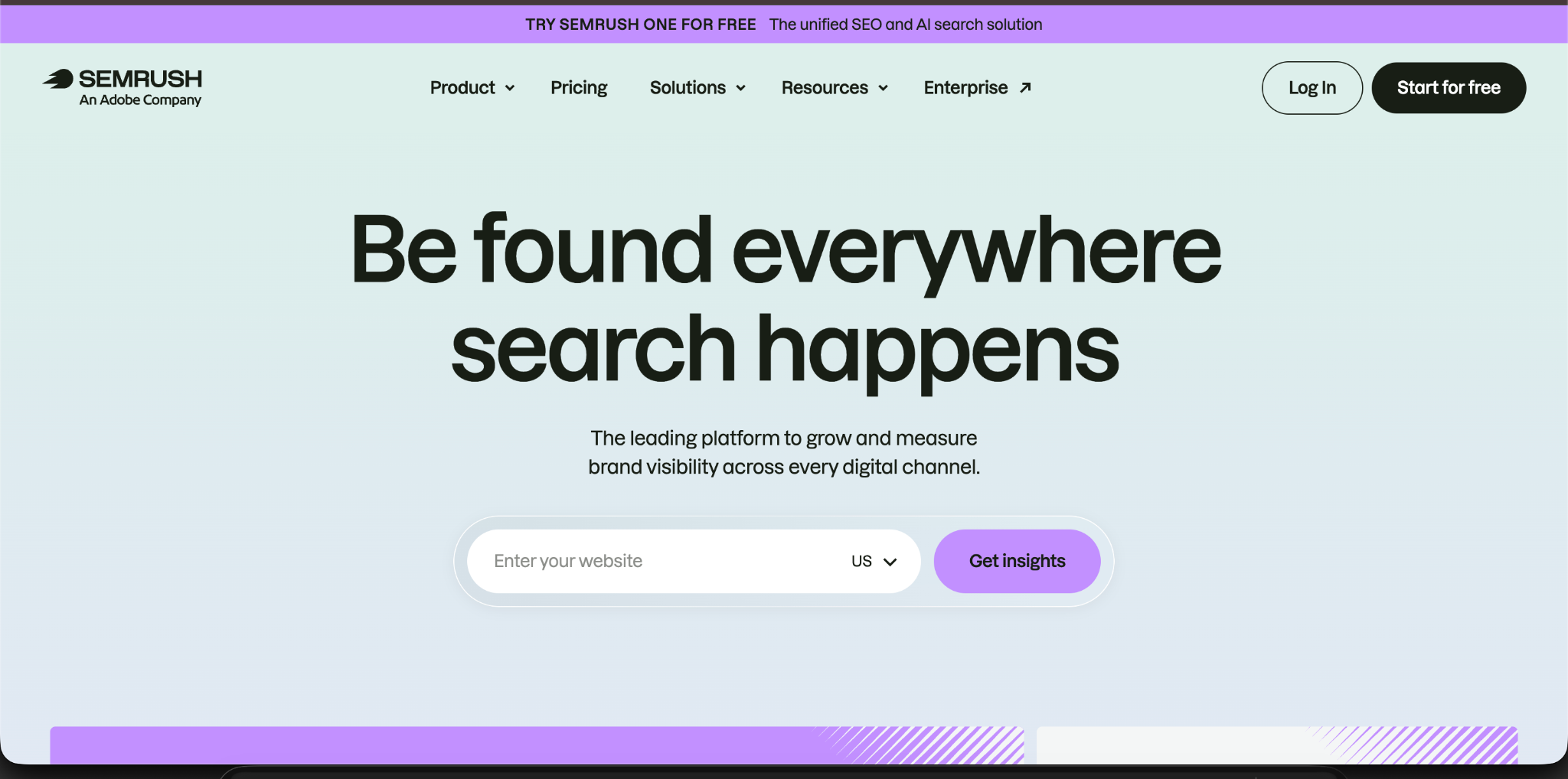
Semrush is one of the few that also tracks whether AI Overviews and chatbots are citing you at all. A growing blind spot most content teams haven't started measuring yet.
- AI Visibility tracking that monitors your brand's share of voice inside AI-generated answers, not just search rankings.
- Content Gap analysis that names the exact keywords your competitors rank for and you don't, turning strategy into a checklist instead of a hunch.
- Site-wide technical audits that catch the crawl and indexing issues quietly, capping your traffic before they show up in a ranking drop.
Pricing runs roughly $130–$150/month for entry-level plans, climbing well past that for team and enterprise access.
2. BuzzSumo
BuzzSumo tells you what's trending right now. It's built as much for digital PR as it is for content ideas, with a journalist database most teams don't realize is in there until they need it.
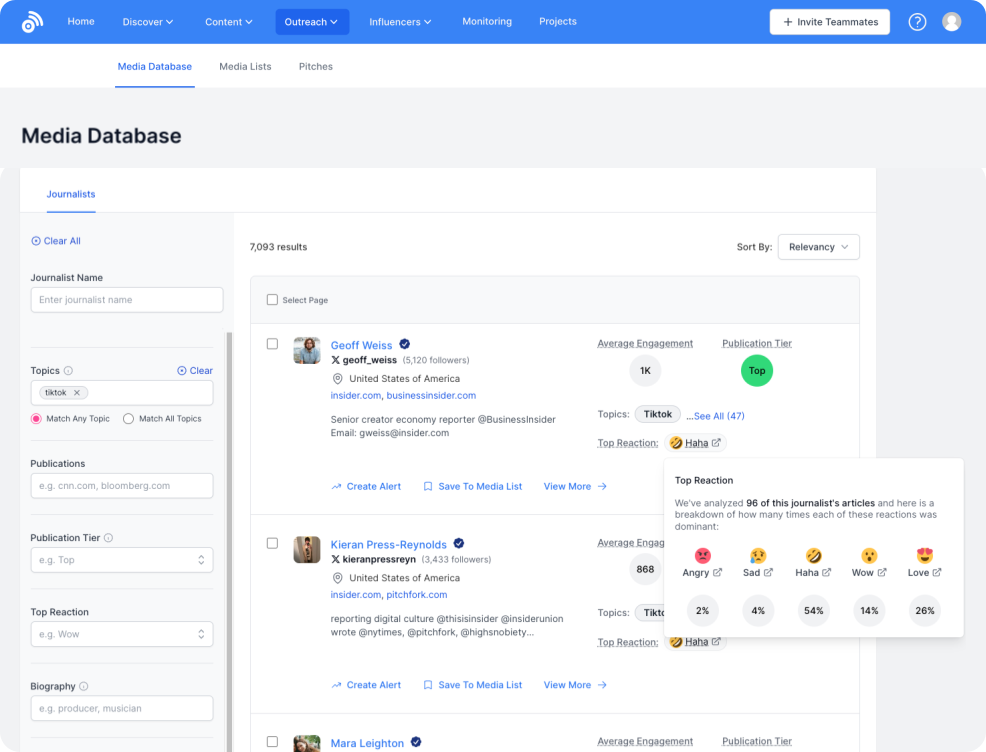
- Media Database of 700K+ journalists, updated monthly, that lets you find and pitch reporters actively covering your topic instead of cold-emailing a generic press list
- Content Analyzer draws on its billion-plus article archive to show what's already resonating on a topic, before you commit time to writing it
- Question Analyzer pulling real questions from Reddit, Quora, and Amazon — a second, social-native lens on search intent that complements keyword tools instead of duplicating them
Pricing runs roughly $200–$500/month, depending on team size and PR features, climbing higher for enterprise access.
3. AnswerThePublic
Semrush and BuzzSumo both tell you what to write about. AnswerThePublic is starting to answer a different question: how would an AI describe this topic if someone asked it directly.

Its new AI Dashboard shows how AI models summarize a given keyword. A rare, direct window into GEO, not just traditional search intent.
- Search Cloud visualization that groups real, raw search queries by question, comparison, and preposition, faster than scrolling a spreadsheet to spot a content gap.
- AI Dashboard showing how AI models currently describe or summarize your target keyword, letting you write toward the gap between what AI says and what's actually true or complete.
- Cross-platform query data pulled from YouTube, Amazon, and TikTok search bars, not just Google useful when your audience isn't searching where your competitors assume they are.
Pricing runs roughly $10–$200/month depending on tier, with a limited free version capped at a few searches a day.
Creation & Optimization
Research tells you what to write. This phase decides whether it's worth reading. The tools here split into two jobs that get confused too often: generating content fast, and making sure fast doesn't mean sloppy, both of which matter.
4. Jasper
Jasper is a system that runs entire campaigns on autopilot.
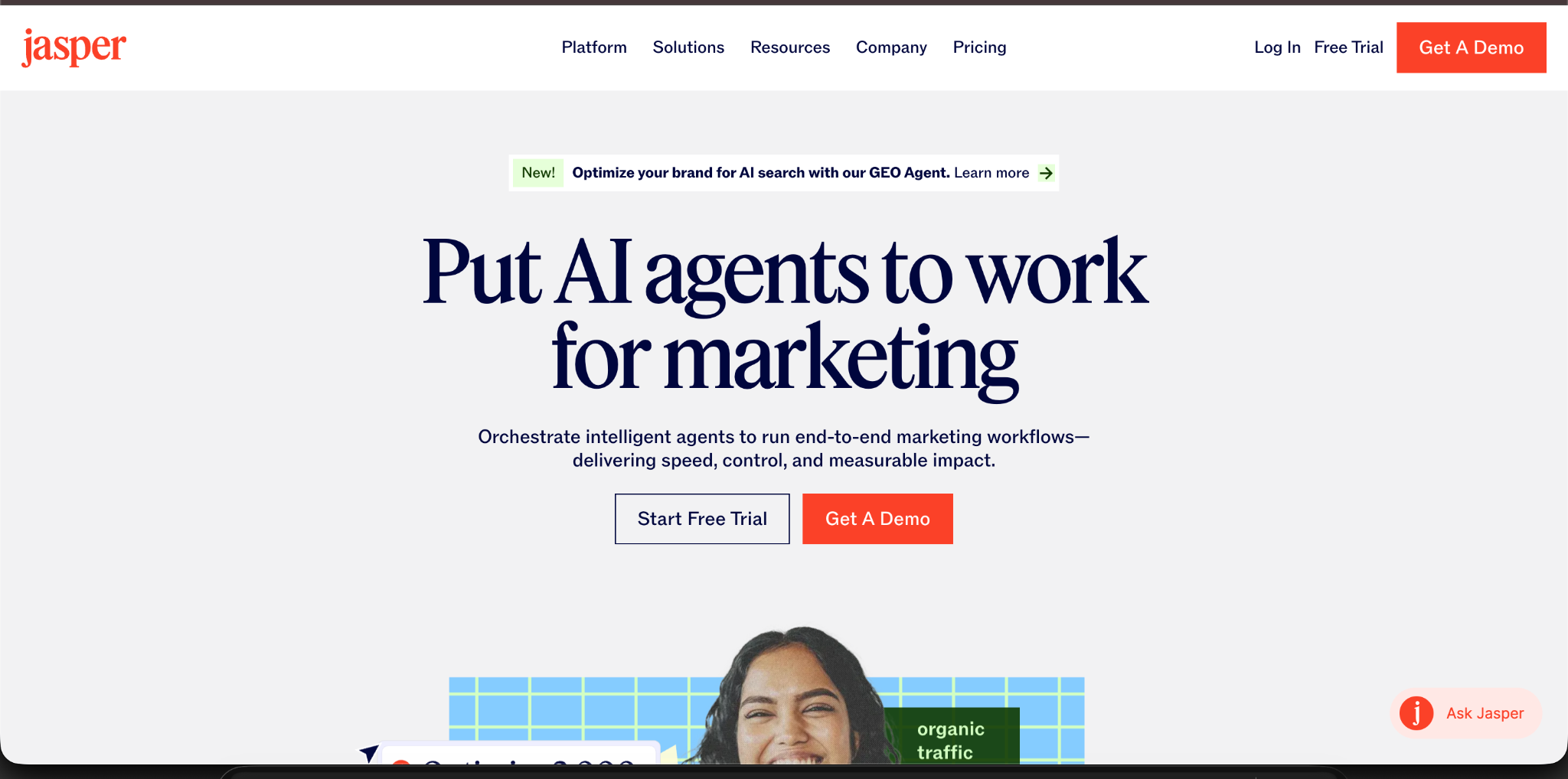
Define a workflow once, and its agents carry it from brief to publish-ready assets across every channel, without a human re-prompting at each step.
- Content Pipelines and Agents that automate a full campaign end-to-end from idea, outline, draft, channel variants, and QA.
- Brand IQ enforcing tone, voice, and brand rules automatically on every output, no manual review pass required.
- Canvas, a brand-aware editor built for revising and reformulating existing content on command, not just generating from scratch.
Pricing runs roughly $40–$100 per seat/month for Creator and Pro tiers; Business plans are custom-priced for full agent access.
5. Grammarly
Grammarly has moved past catching typos.
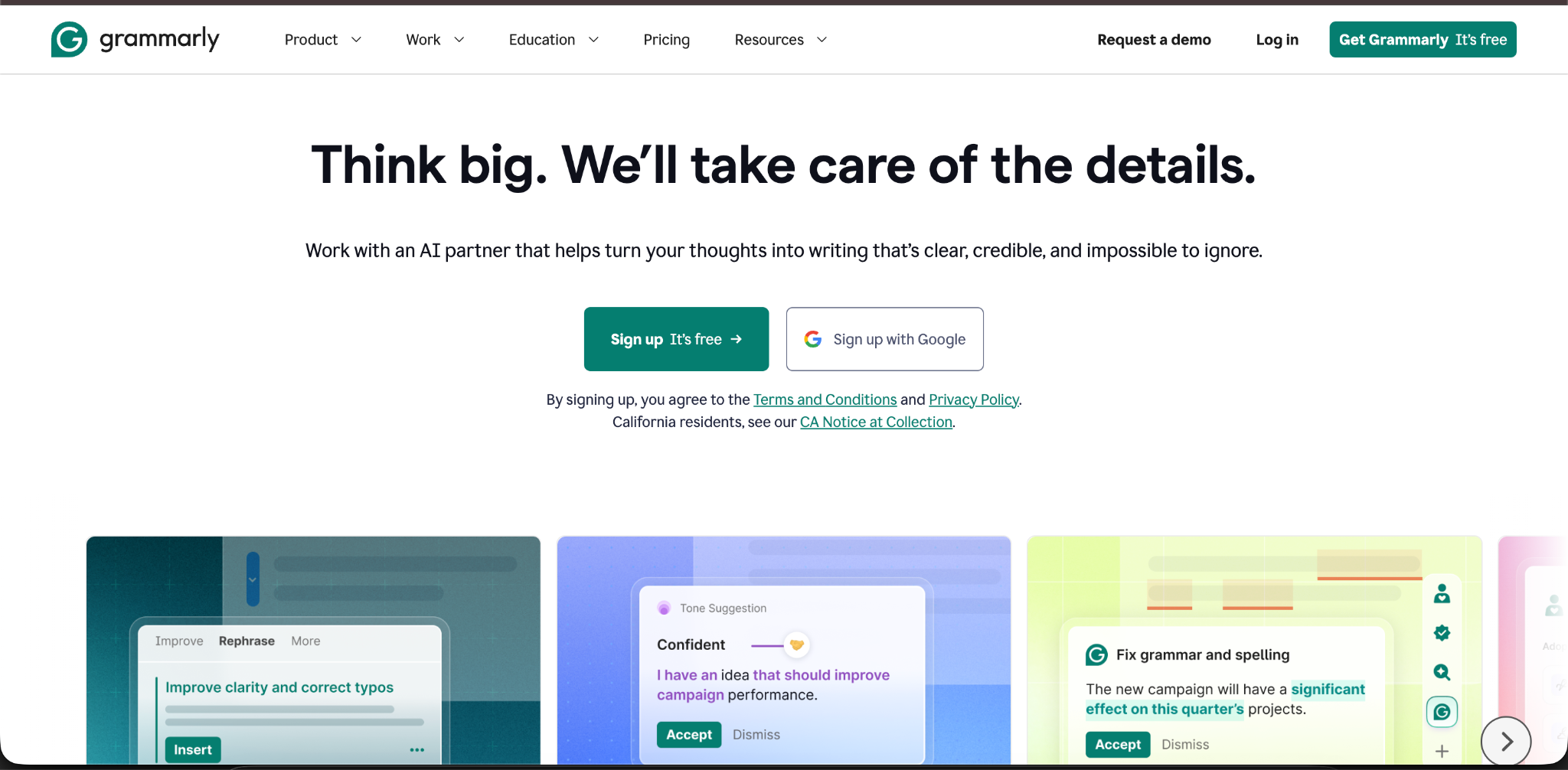
It now rewrites full passages, adjusts tone, and enforces a brand's writing rules automatically and it does it inside whatever app you're already writing in.
- Cross-platform enforcement across Google Docs, Gmail, Slack, your CMS, and 500,000+ apps and sites. Your brand rules applied wherever writing happens.
- Team analytics dashboard tracking acceptance rates and tone consistency across the whole team, giving a measurable read on whether the style guide is actually working.
- Knowledge Share surfacing company terminology and style rules in real time as someone types, functioning as a live style guide instead of a static document.
Pricing runs roughly $12–$15 per user/month for Pro; Enterprise is custom-priced for SSO and compliance needs.
6. Canva
Adobe still wins on raw design power, however, Canva wins on speed. A non-designer can go from a blank page to a published, on-brand post in minutes, and that speed is the entire reason it beat every "real" design tool for marketing teams.
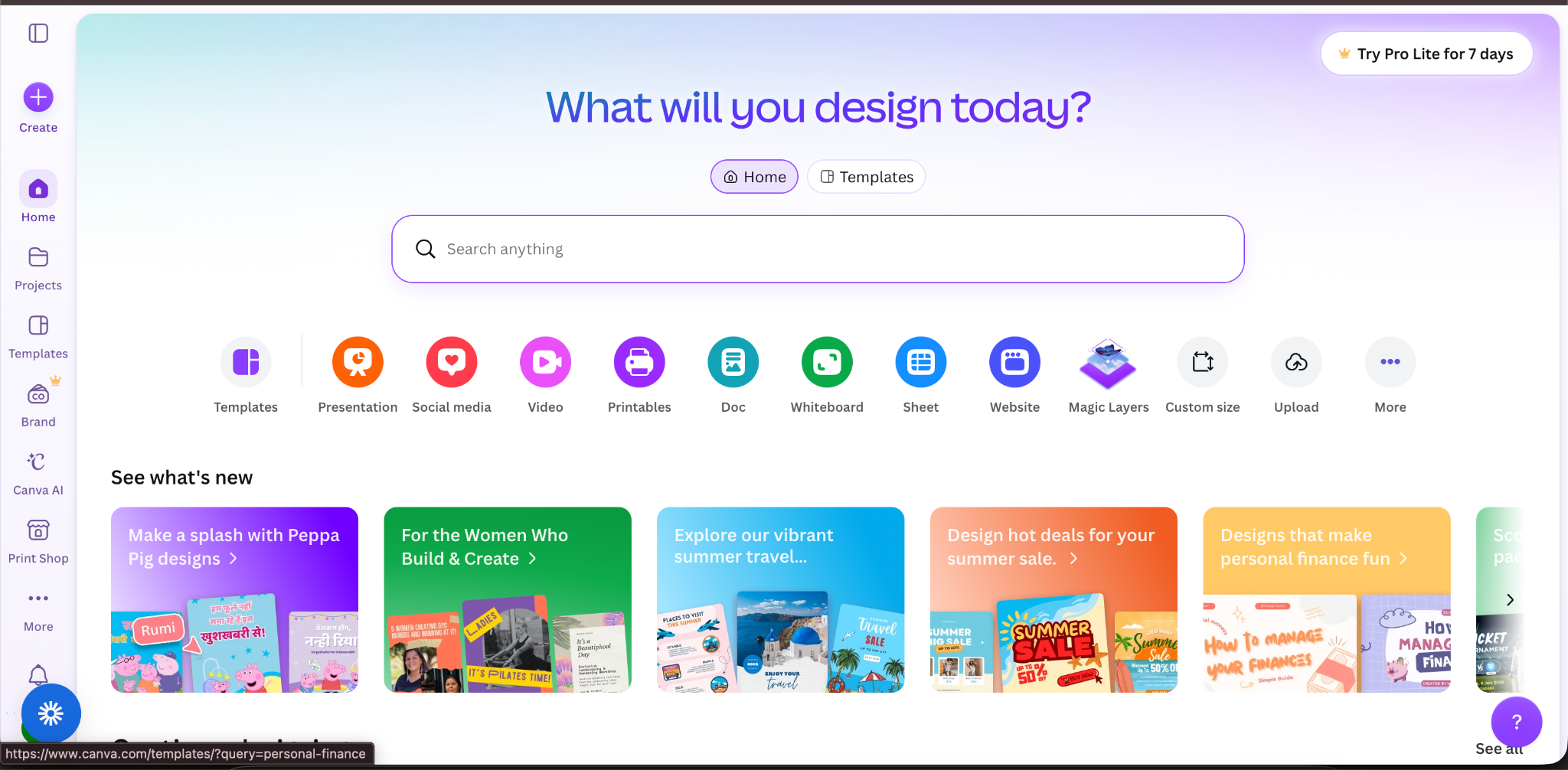
- Magic Switch converts one design into every platform format instantly. An Instagram square can become a Story, LinkedIn banner, and Pinterest pin without rebuilding anything.
- Brand Kit locks logos, colors, and fonts across the entire team, so every post stays on-brand automatically instead of depending on someone remembering the hex code.
- Magic Studio AI suite has Magic Write for on-brand copy, Magic Design for full layouts from a prompt, Magic Edit and Magic Eraser for fast image fixes. It replaces what used to take a separate copywriter and photo editor.
- Direct social publishing to Instagram, LinkedIn, Facebook, and Pinterest from inside the editor helps design and schedule without a separate export-and-upload step.
Pricing runs roughly $10–$20 per user/month for Pro and Teams; core AI features stay free on the base plan.
Management & Distribution
A great piece of content going out through a disorganized process is still a failure. This phase is about getting content out the door on schedule and keeping every team member working from the same plan.
7. HubSpot
Most content tools stop at the page you publish. HubSpot connects that page to the same CRM your sales and service teams use. So here a blog post isn't just traffic, it's tied to an actual contact record, and you can trace it all the way to revenue.
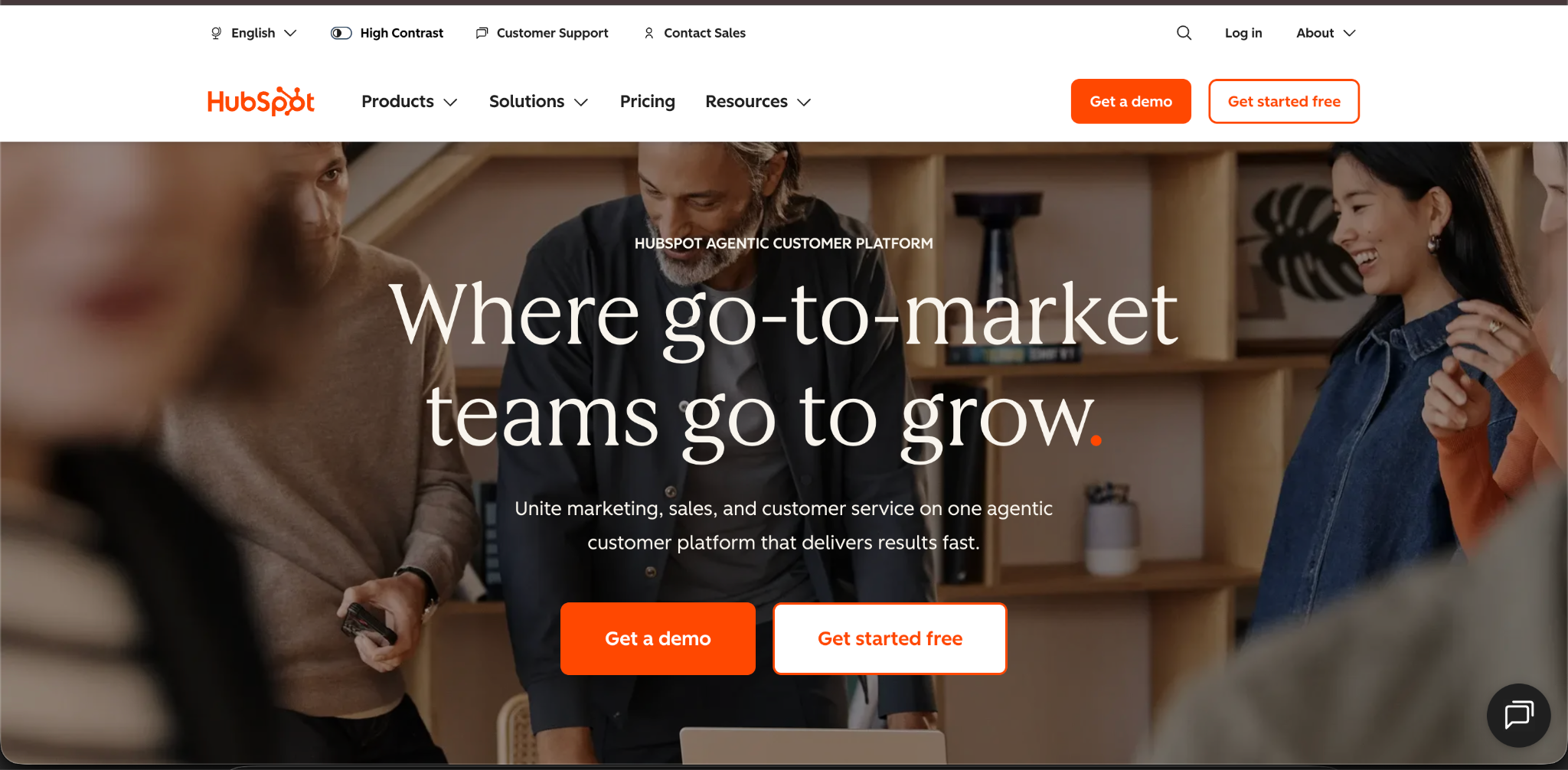
- Content Hub on the Smart CRM ties every blog, landing page, and gated asset to the same customer data your sales team works from content and pipeline share one source of truth.
- Attribution reporting tracks which specific touchpoints actually drove revenue, not just which pages got clicks.
- Breeze AI built into the platform to draft content, surface next-best actions, and personalize site experiences based on real CRM data.
Pricing scales with both tier and contact list size, expect a wide range from roughly $20/month for entry Starter bundles to well over $800/month at Professional and Enterprise tiers as contacts grow.
8. Buffer
Buffer does one thing, that is, scheduling social content and deliberately avoids becoming an all-in-one platform. That focus is the product.
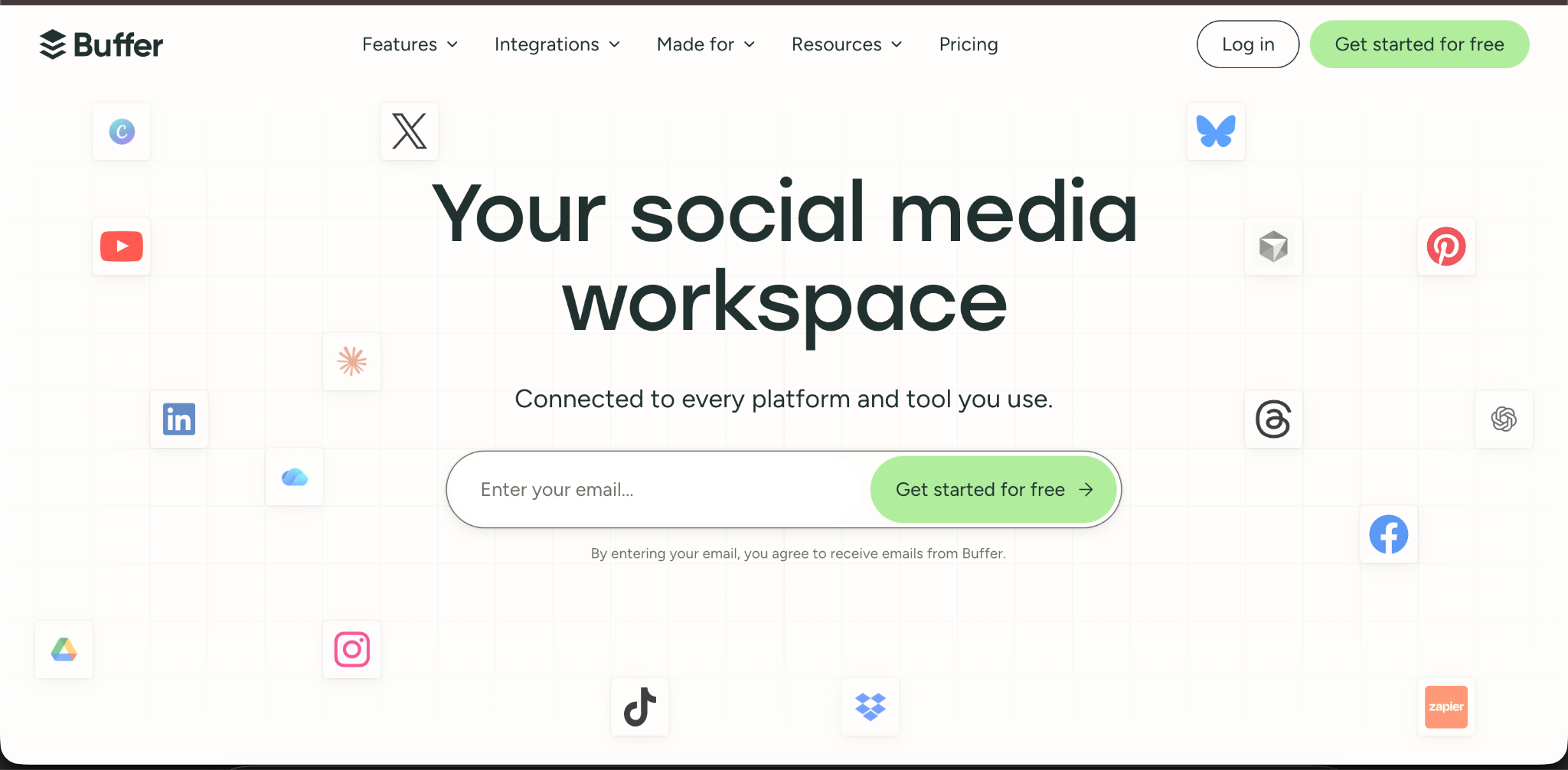
- Per-channel queue scheduling across every major platform from one dashboard, publishing at set times without logging into each app separately.
- AI Assistant for post tone, adjusting formality, length, and structure directly in the composer to match brand voice per channel.
- Insights analytics, recently rebuilt, tracking engagement and performance directly inside the platform.
- API access on every tier, including free, which is uncommon among schedulers, and useful for teams pulling in external performance data.
Pricing runs per channel: free for up to 3 channels, then roughly $5–$10 per channel/month depending on tier, with volume discounts past 10 channels.
9. Notion
Every other tool in this stack forces you into its structure. Notion refuses to. It hands you a blank database and lets you build the exact editorial system your team actually needs.
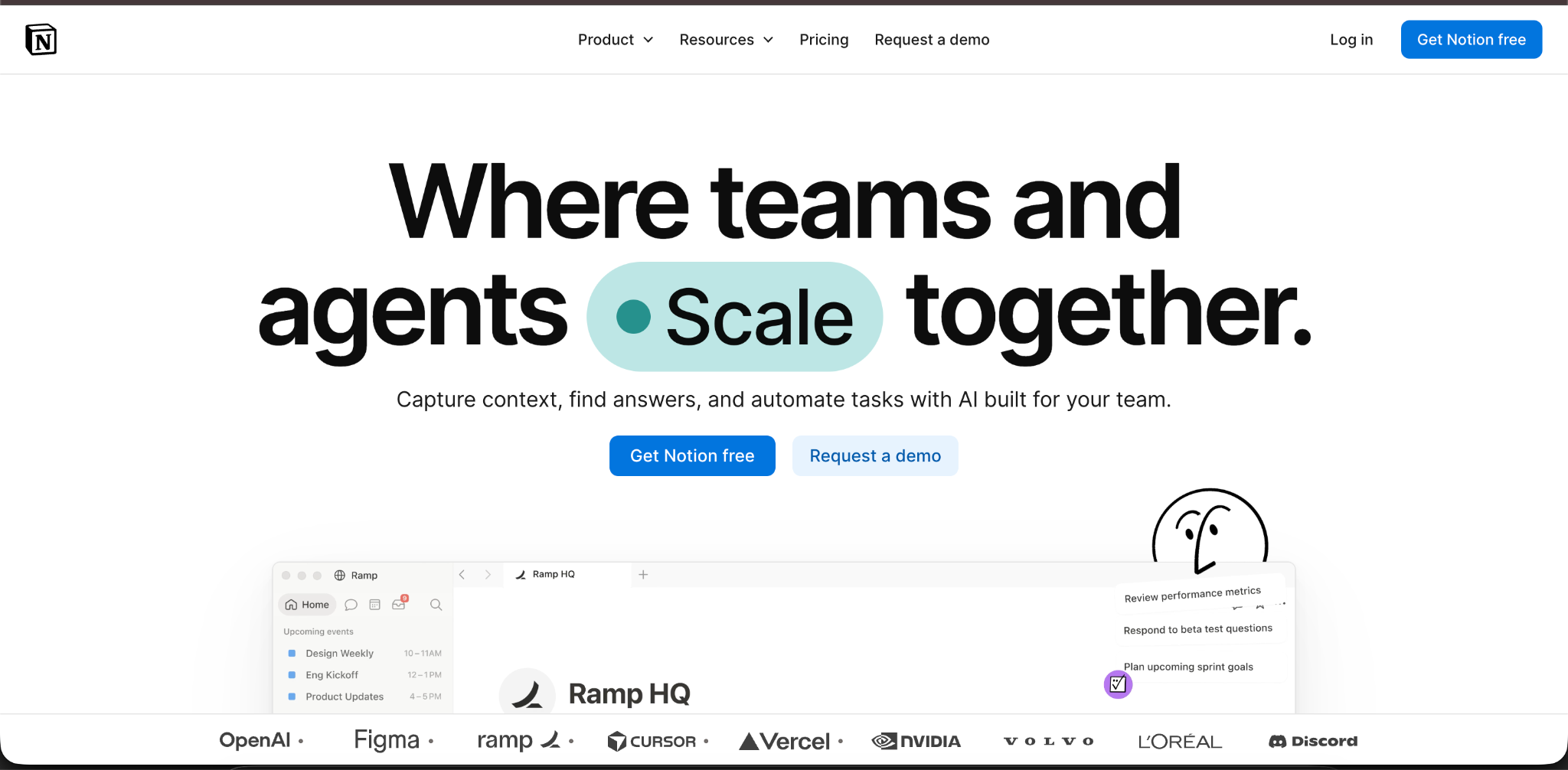
- Custom database views like board, calendar, timeline, table, the same content pipeline, viewed differently depending on whether you're planning, writing, or reviewing.
- Status properties that move content through draft, review, and published automatically, with overdue items flagged before they become a fire drill.
- Linked databases keeping drafts and published work cleanly separated, so nothing gets lost in a shared mess of half-finished pages.
- One workspace for the entire lifecycle like briefs, drafts, and publish dates sitting next to team docs and wikis, so planning and writing stop living in two different tools.
Pricing runs roughly $8–$15 per user/month for paid plans; a genuinely usable free tier covers individuals and small teams.
Analytics & Tracking
Every phase before this one is a bet. This is where you find out if it paid off. Skipping analytics means you keep repeating whatever worked by accident and have no idea what actually drove it.
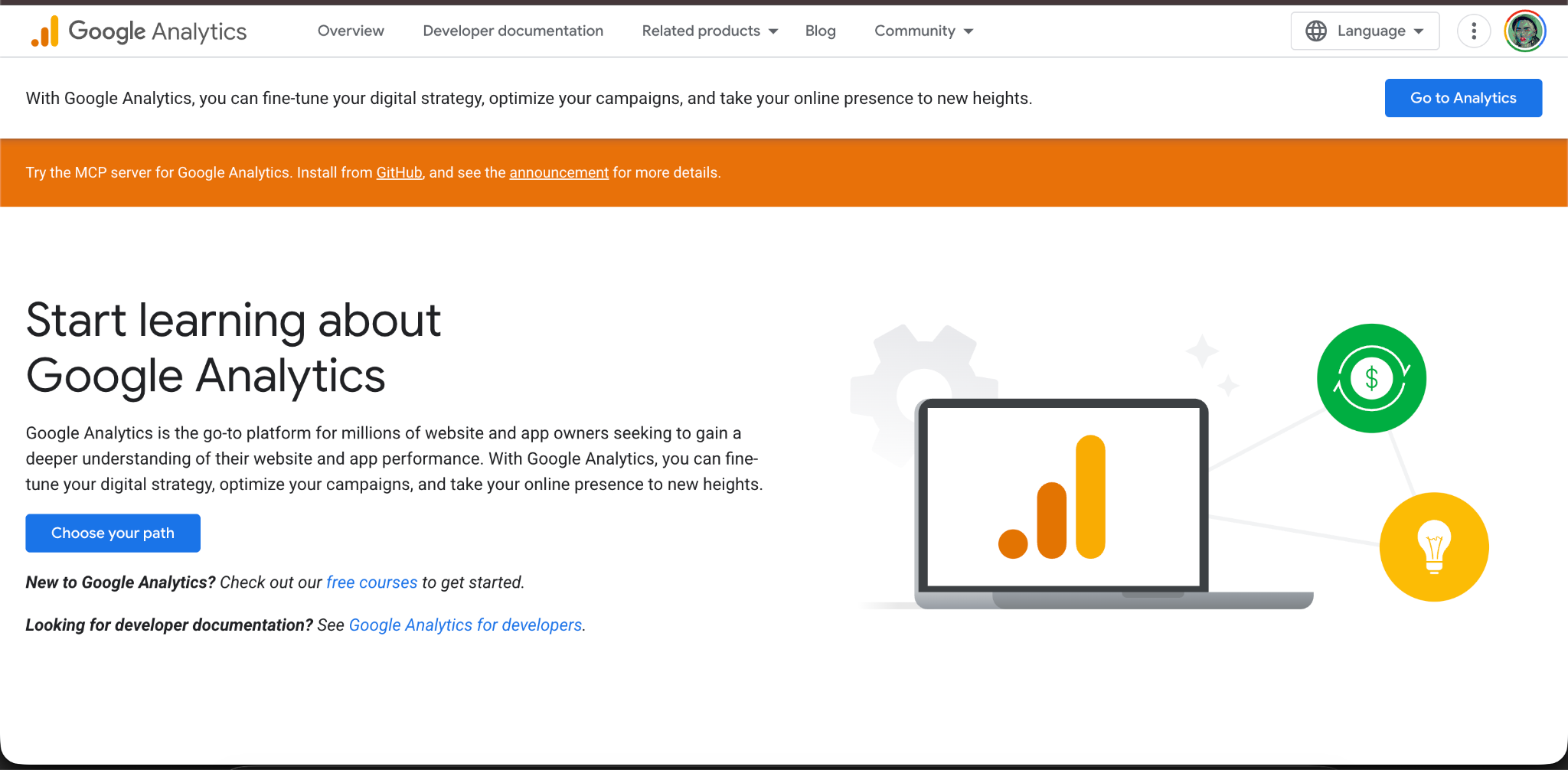
10. Google Analytics 4
GA4 stopped being a traffic counter years ago. It's now closer to a forecasting engine. It flags which users are likely to convert or churn before either happens.
- Predictive metrics surfacing purchase probability and churn risk using machine learning, so teams can act before a customer converts or leaves instead of reacting after.
- Data-driven attribution crediting every touchpoint in a customer journey, not just the last click. It’s a real answer to "which piece of content actually drove this".
- Generated Insights, an AI layer that automatically flags anomalies and seasonality shifts on the home dashboard, surfacing the "why" without a manual report.
- Cross-channel budgeting, letting teams track and model spend across Google, Meta, TikTok, and LinkedIn from inside one platform.
Pricing stays free for standard use; GA4 360 for enterprise-scale data and higher processing limits is custom-priced, typically running into five figures annually.
Your competitors are still optimizing for a search engine.
Go back and look at what you just read. Semrush tracks whether AI engines cite you. AnswerThePublic shows how AI describes your keyword before you've typed a sentence. HubSpot personalizes the same signals GA4 uses to predict who's about to buy or leave.
Four tools. Four separate companies. Nobody coordinated this. They all noticed the same thing at the same time: the person reading your content might not be a person at all. It might be the summary an AI gave them.
Most teams are still building stacks for 2023's traffic, which caters to rankings, clicks, sessions. That world isn't gone, but it's no longer the whole game, and the tools in this stack have already moved.
Ten tools, four phases, one real thread: content now has to earn two audiences: the human and the AI standing between you and them. Build around that, or spend the next year wondering why traffic held steady while conversions quietly dropped.
Frequently asked questions
1. What is the best content marketing tool?
There isn’t one. Semrush wins for research. Jasper wins for scaled drafting. Canva wins for visual assets. Asking for "the best" assumes one tool does all three jobs well, and none of them do. Pick per job, not per hype cycle.
2. What is the 3-3-3 rule in content marketing?
It has more than one definition floating around, and most articles don't admit that. The version that actually matters for content: split your output into three types: educational, inspirational, and promotional.
So you're not just pitching your product in every post. A second, less common version applies it to messaging (three core messages, three audience segments, three channels). Either way, the point is the same: stop trying to say everything to everyone in one piece.
3. What are the 5 best digital marketing tools?
The “best” here asks different questions, best for: what job? What team size? If forced to pick five that punch above their category: Semrush for research, Jasper for drafting at scale, Canva for visuals, HubSpot for tying content to revenue, and GA4 for knowing if any of it worked. That's five different jobs, not five competing options.
4. What are content marketing tools?
Software that handles one piece of the content lifecycle, i.e. research, creation, distribution, or measurement, so a team isn't doing it manually. The mistake most teams make isn't picking bad tools. It's picking tools that all compete for the same job instead of covering the four that actually exist.